Part 2: Endometriosis & Nutrition: Let's explore the connection!
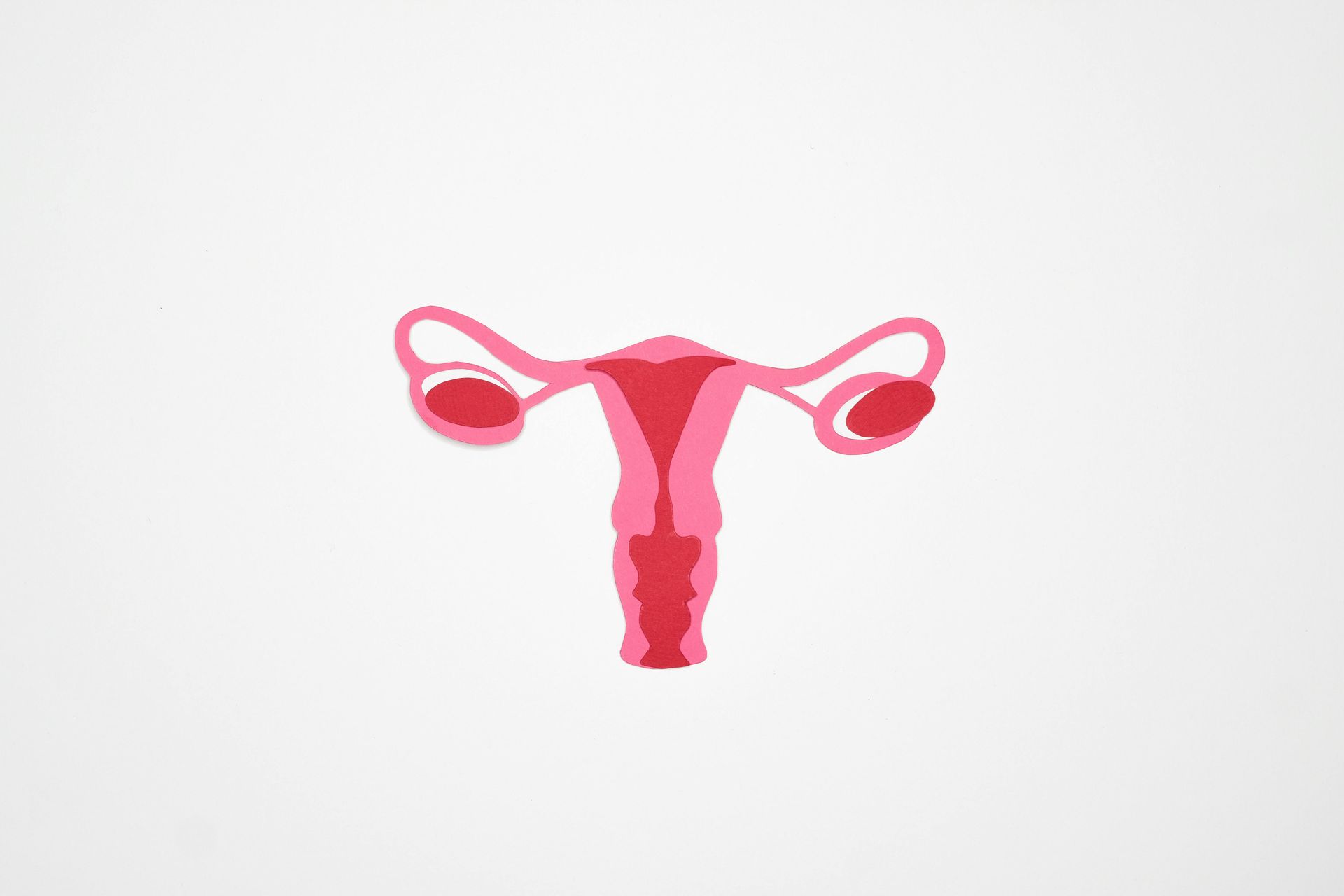
Endometriosis affects millions of people worldwide and continues to be widely misunderstood, often leaving many people confused about their symptoms and uncertainties about how to manage it. One common struggle is wondering if the food you eat is helping or worsening the symptoms. This is completely understandable, especially considering the lack of conversations and the amount of conflicting information online!
Welcome to part 2 of our 2-part blog series on endometriosis. Part 1 of this blog series explored what endometriosis actually is and talked through how to overcome some common barriers to seeking help. In this blog, we will focus on what we can do from a nutrition perspective to support symptom management.
What is Endometriosis?
If you haven’t read part 1 of this blog series, now would be a good time to do so, as the answer to this question is explored in much greater detail. Common symptoms are also outlined in part 1.
In short, endometriosis is a chronic inflammatory condition in which tissue similar to the lining of the uterus grows outside of other areas of the body. It is also what we call an “estrogen-dependent disease” as it is associated with higher circulating estrogen. This, in turn, can promote growth of this endometrial-like tissue, which may contribute to inflammation, debilitating pain and discomfort, and in some instances may also impact fertility.
Diet & Endometriosis.
With that in mind, let’s dive into how food can support endometriosis management. We will break this part into 3 sections – inflammation, gut microbiome, and estrogen regulation.
Inflammation.
While there is no one-size-fits-all approach to nutrition for endometriosis, research consistently demonstrates that an anti-inflammatory dietary pattern is beneficial for symptom management. Remember, endometriosis is an inflammatory condition.
All of the tips we discuss below related to inflammation are really nicely summarised by what’s known as “the Mediterranean diet”. For more information on this eating pattern, click here.
Increase intake of healthy fats: olive oil, nuts and seeds and oily fish.
“Unsaturated fats” are commonly referred to as the “healthy fats”. Foods that are higher in these “unsaturated fats” are generally shown to have promising anti-inflammatory effects. In particular, omega-3 fats (a specific type of “unsaturated fat”) play a key role in reducing inflammation. What foods contain these “omega-3 fats” you may ask... Oily fish (e.g., mackerel and salmon), nuts (eg, walnuts and pecans) and seeds (eg, flaxseeds and chia seeds) are all great choices! As a rule of thumb, aim to have oily fish at least 2x per week.
Besides what we eat, how we cook also plays a significant role in endometriosis management. Small changes in our cooking style can have a big impact if done consistently! Olive oil has been shown to have anti-inflammatory and antioxidant effects. Try using it in salad dressings, for roasting, grilling, or for general cooking!
Prioritise whole foods: variety of colourful fruits, vegetables, legumes and wholegrains.
“Oxidative stress” is a common term referenced in relation to endometriosis. This is generally characterised by high levels of pro-inflammatory markers circulating throughout our bodies and low levels of anti-inflammatory factors (e.g., antioxidants). This imbalance can contribute greatly to inflammation and the progression of endometriosis.
Whole fruits and vegetables, specifically dark leafy greens (e.g., kale, spinach, broccoli, and collard greens), are packed with fibre and antioxidants, which help reduce this “oxidative stress”. They also contain some crucial vitamins and minerals, such as magnesium (which may reduce muscle cramps and ease period cramps) and iron (which replenishes blood loss during menstruation), making fruit and veg particularly important for endometriosis management.
Compared to refined grains like white rice and white bread, whole grains (e.g. oats, brown rice, rye, quinoa, buckwheat, and whole wheat bread/pasta/wraps) contain a higher level of antioxidants, fibre, and phytonutrients. You guessed it – this may help support lower inflammation and assist with symptom management.
Reduce saturated and trans-fat intake: excess red meat and processed foods.
Many processed foods (e.g., fast food, fried food, and packaged foods) contain ingredients that can worsen inflammation, such as saturated fat, trans fat, and added sugar. These types of foods also generally have lower levels of healthy fats, fibre, vitamins, and minerals. Freshly home-cooked meals are always the way to go! This is easier said than done, of course – organisation is key to operationalising this one.
Excessive intake of dietary sugar (eg, soft drinks, energy drinks, and confectionery items) can increase the number of pro-inflammatory markers in our body. If you’re after that refreshing carbonation, you could try soda water, or if you’re after a fun taste, you could try adding fruit to your water (e.g., lemon or lime).
Some research suggests higher intake of red meat (e.g. Beef, lamb, pork) may be associated with increased risk or symptom severity in endometriosis, as it is generally higher in saturated fat. A good starting point could be for you to try having no more than 2 serves of red meat per week, as this is what lots of the evidence in this space suggests. Of course, this should be considered on a case-by-case basis, so be sure to chat to your health professional to see if this suggestion is appropriate for you.
The important thing to remember here is the word “reduce”, not “eliminate”! Being overly restrictive with our eating patterns often means the changes made will be less sustainable in the long-term (and also can make food in general much less interesting and enjoyable – which is never the outcome we want!). What these changes actually look like will change from person to person, so we need to put our detective hats on and figure out what works for you!
Reduce alcohol consumption: wine, spirits, mixers.
Excessive alcohol consumption is shown to interfere with estrogen production. This may increase the risk of endometriosis or may exacerbate your symptoms. Again, to what extent your alcohol consumption should be reduced is totally individualised. We recommend working with your dietitian to see what changes are most effective for you.
Gut health
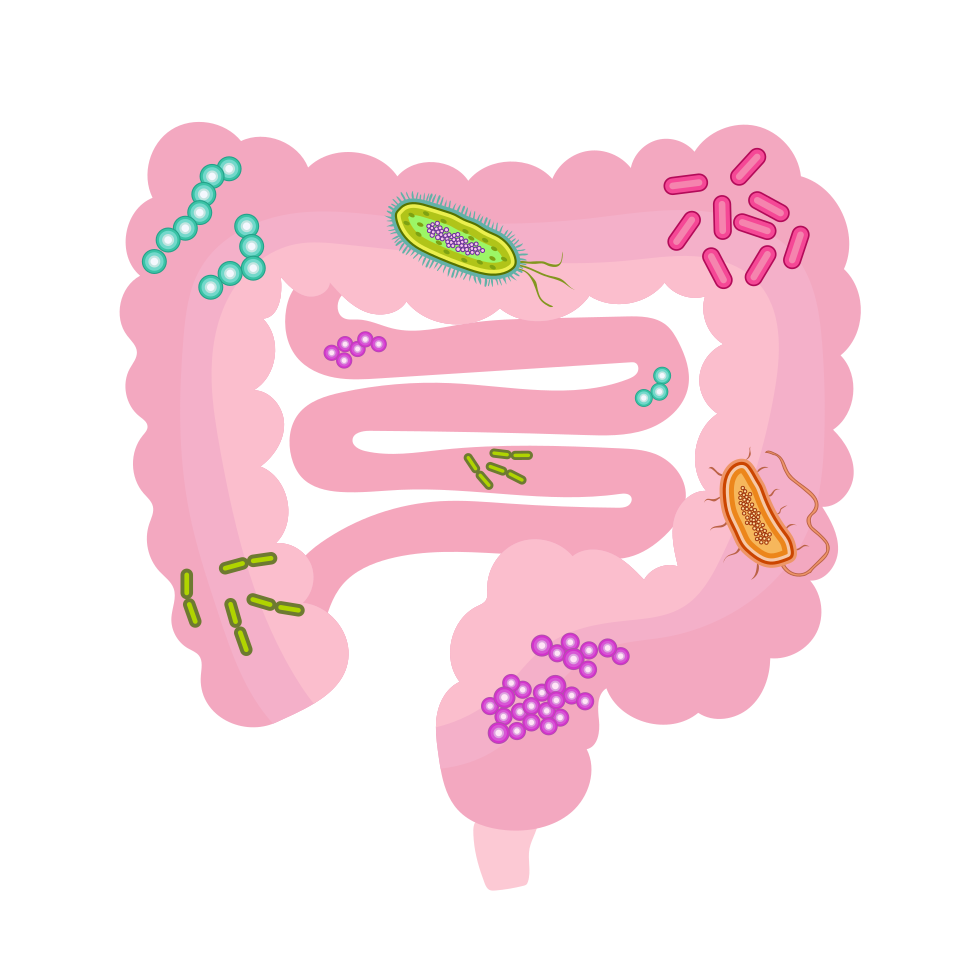
Research suggests that a high proportion of people (85%) with endometriosis experience digestive issues. Interestingly, our gut microbiome can influence the status of our endometriosis, while the inflammation from endometriosis can also affect the gut microbiome.
(Source: pmc.ncbi.nlm.nih.gov/)
We have trillions of gut bacteria living in our large intestine (yes, living – they are alive!), which help our body out in a range of different ways. That being said, some are more helpful than others. “Estrobolome” is a specific group of gut bacteria capable of regulating estrogen levels by metabolising and modulating the body's circulating estrogen.
Chronic inflammation can disrupt the gut, which may lead to decreased diversity of our gut bacteria, it may make the function of the “estroblome” less effective and may increase levels of some of those less helpful (or even harmful) bacteria, which can further exacerbate inflammation and pain. Great news is that by implementing all of those tips we discussed in the “inflammation” section of this blog, you will be in good standing to hopefully make sure this isn’t the case for you!
Prebiotics
So, at this point, we know a happy gut can help keep our endometriosis symptoms at bay and prevent disease progression. One of the best ways we can keep our gut happy is through diet diversity. Having a wide range of plant-based foods is helpful as it literally feeds our gut bacteria, making for more resilient and varied beneficial gut bacteria. The foods that our gut bacteria feed off are called “prebiotics” - and these are generally fibre-containing foods. When we have a diverse gut microbiome, our “estroblome” can be supported, which can help with estrogen regulation and, therefore, symptom management and disease progression. A great number to aim for would be to have 30 different types of plant foods per week.
Probiotics
While prebiotics feed our gut bacteria, “probiotics” actually are bacteria. These don’t just come in supplement form - foods that contain probiotics can include yoghurts, sauerkraut, kimchi, and even kombucha! These foods contain beneficial bacteria that will make their way to our gut and reside there, further improving the quantity and diversity of our gut bacteria. Having a good mix of prebiotics and probiotics is important for endometriosis management.
Estrogen regulation
The good news is that a lot of the tips we have already discussed can support estrogen regulation. For example, reducing saturated fat intake (discussed under the “inflammation” section) can help lower circulating estrogen and inflammation.
We also discussed the importance of fibre-containing foods in the “gut microbiome” section, explaining how it can help nourish our “estroblome”. Fibre can also bind to estrogen in our intestines and facilitate its excretion from our body, highlighting its role in regulating our estrogen levels. One particular group of fibre-containing foods – the brassica vegetables – contain a chemical which is shown to further support estrogen regulation. What on earth are brassica vegetables? We are talking about broccoli, cauliflower, cabbage, brussels sprouts (everyone’s favourite), bok choy, and so on.
One final little hack to help regulate your estrogen levels is to have regular bowel movements, as this can also help remove excess estrogen. Having some sort of structure or routine around toilet time can go a long way in endometriosis management!
Summary
Although Endometriosis currently has no cure, the right foods can help alleviate some of the symptoms you experience. We hope this blog has equipped you with the knowledge needed to manage this condition!
More information
Below are some helpful websites to learn more about managing Endometriosis.
- Endometriosis Australia: An Australian charity providing resources for understanding Endometriosis and exploring various related blogs
https://endometriosisaustralia.org - The Endometriosis Foundation of Australia: Providing resources and education around Endometriosis
https://www.endofound.org - Women’s Health Victoria: Offers a variety of resources related to women's health, including Endometriosis
https://www.whv.org.au
Disclaimer: This information is NOT medical advice and is for informational purposes only. It is not intended to be a substitute for professional medical advice and should not be relied on as health or personal advice. If you’re seeking more personalised dietary advice tailored to your endometriosis management, Growlife dietitians are here to guide you.
Book in with your Growlife dietitians, Jessica or Nikki, for individualised dietary advice at https://www.growmedical.com.au/bookings.
Related Posts