Growlife Medical

Clinics in Highgate Hill, Sherwood, Oxley, Fairfield & Sinnamon Park

Family | Patient | Community

At Growlife Medical, we understand that you want a caring, compassionate and highly skilled doctor for you and your family. In today’s rapidly changing world, we strive to offer greater continuity, deeper connection and better health for all. We want to grow with you, throughout life's journey. From our family to yours, we look forward to growing well together.

Medical Services

The Doctors, Nurses, Midwives and Allied Health at Growlife Medical provide the full spectrum of team care in General Practice. Within this multidisciplinary team, you will find professionals you can trust, who will take the time you need, and are prepared to collaborate by sharing knowledge in their individual areas of expertise.

Doctors

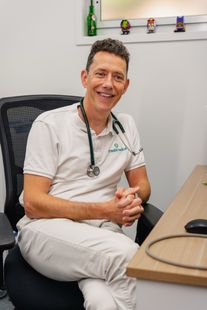
With a focus on quality, time and continuity, you will find the time to connect with your long term family GP. The Doctors who choose to consult at Growlife provide you with the kind of complete healthcare you are looking for. Each Doctor brings their own wealth of experience. By carefully understanding your health, and sharing their expertise with each other, your GP will care for your whole family throughout life's journey.

Caring for your health is our full time vocation. As technology advances, it is ever more important to have a team of professionals around you, working together to ensure the best possible care for you and your family. Connect with genuine, holistic and evidence-based clinicians. Doctors who are leaders in their field both at home and internationally - but are grounded in the Highgate Hill, Fairfield, Oxley, Sherwood and Sinnamon Park communities.

Specialists

In an increasingly complex world, a team based approach provides better results. Your health deserves proper care and attention, and through access to an extended specialist network, Growlife Medical can connect you with complete healthcare.

Allied Health

In order to reach your health goals, it is important to fully understand your condition and the proactive steps you can take to get there. The Allied Health Team & Specialist Nurses are skilled at assessment, education, and tailoring a plan for you to self-manage you and your family's health. We give the time needed for genuinely holistic, highest calibre, evidence-based care.

Mothers and Babies

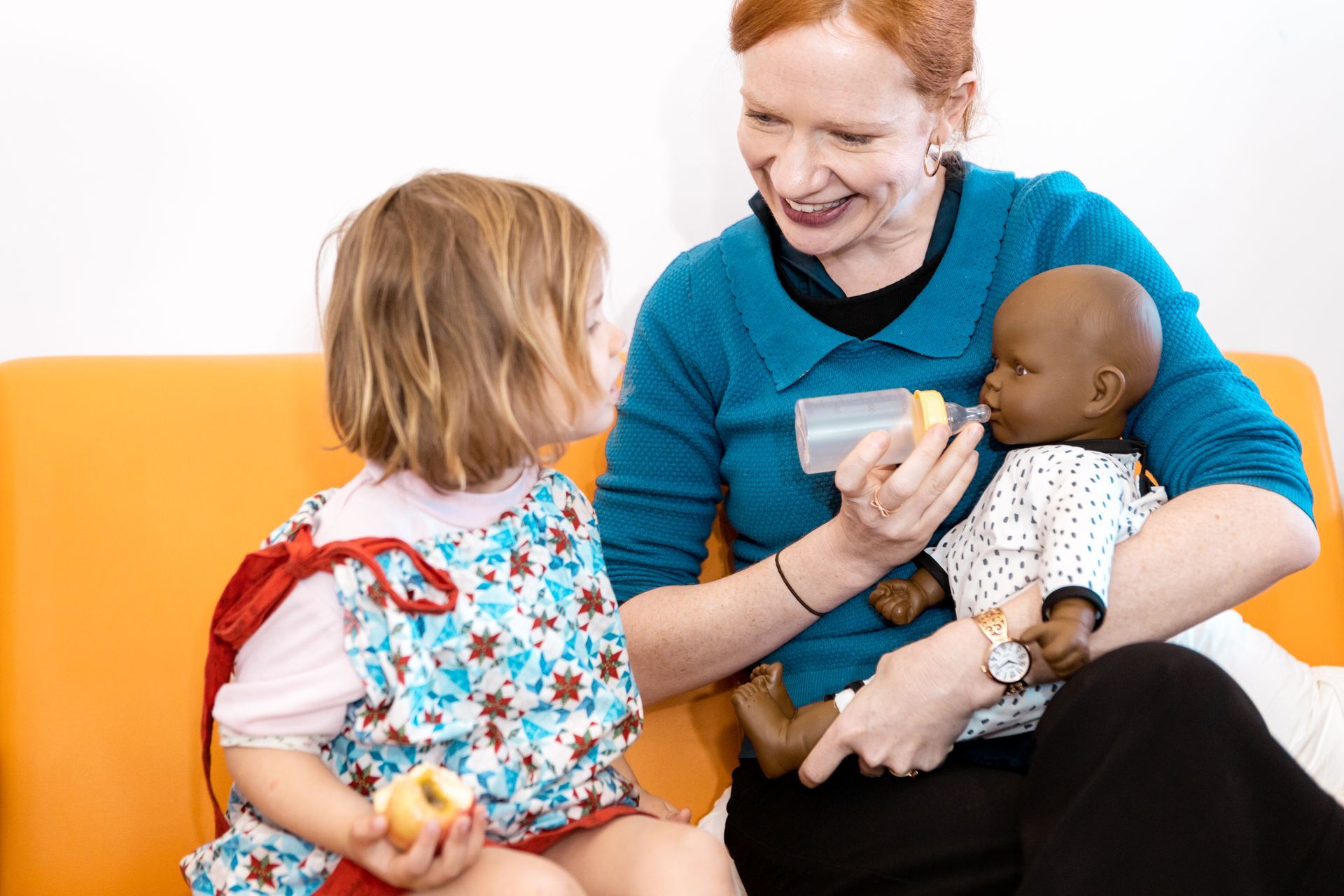
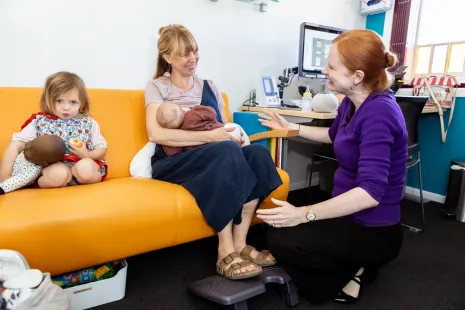
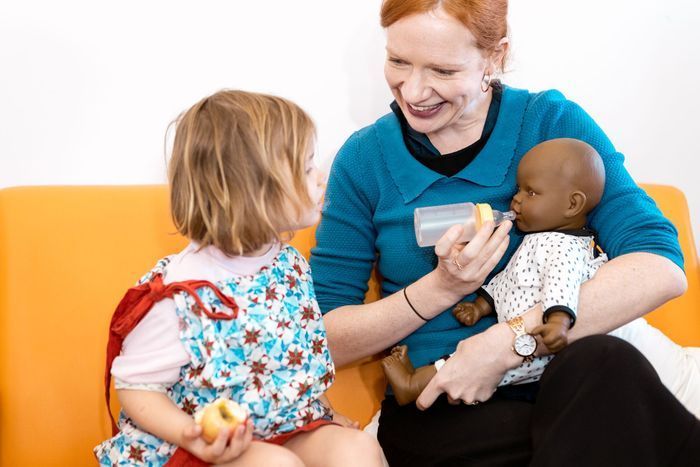
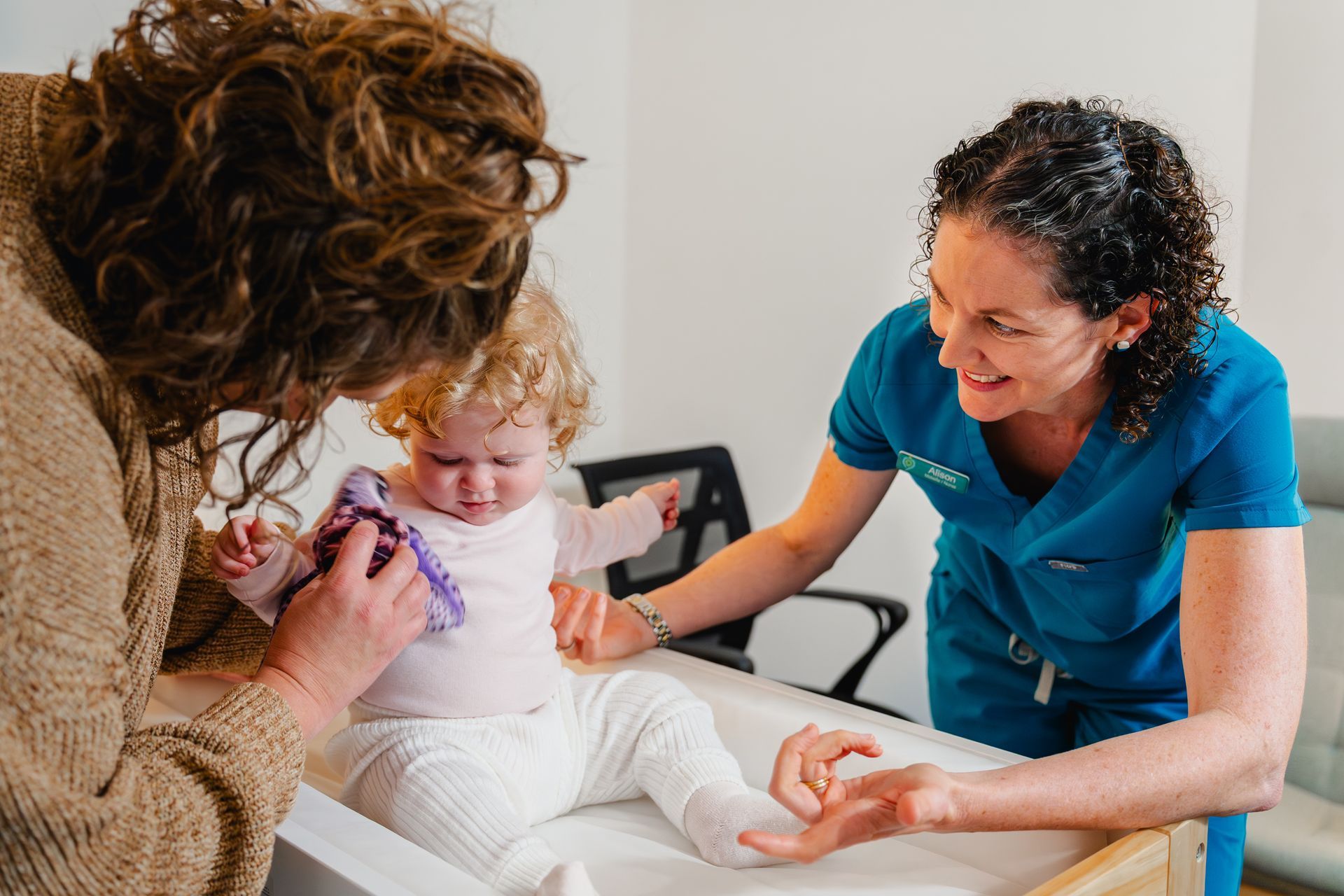
Are you looking for family-centred care that optimally protects your baby or your toddler’s rapidly developing brain and gut? That supports your capacity to enjoy your child?


Growlife Highgate Hill is Brisbane’s first privately run multi-disciplinary specialist clinic for baby and toddler problems. We offer you the help you need to find your own way through challenges that emerge in early life.

Nurses & Midwives

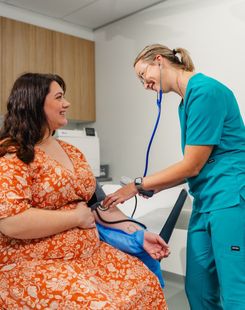
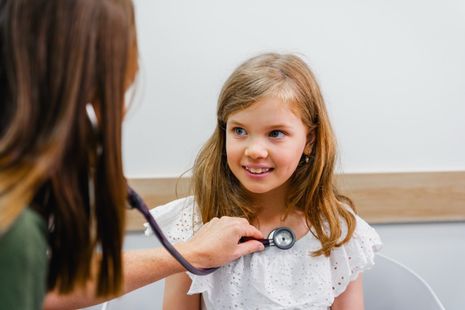
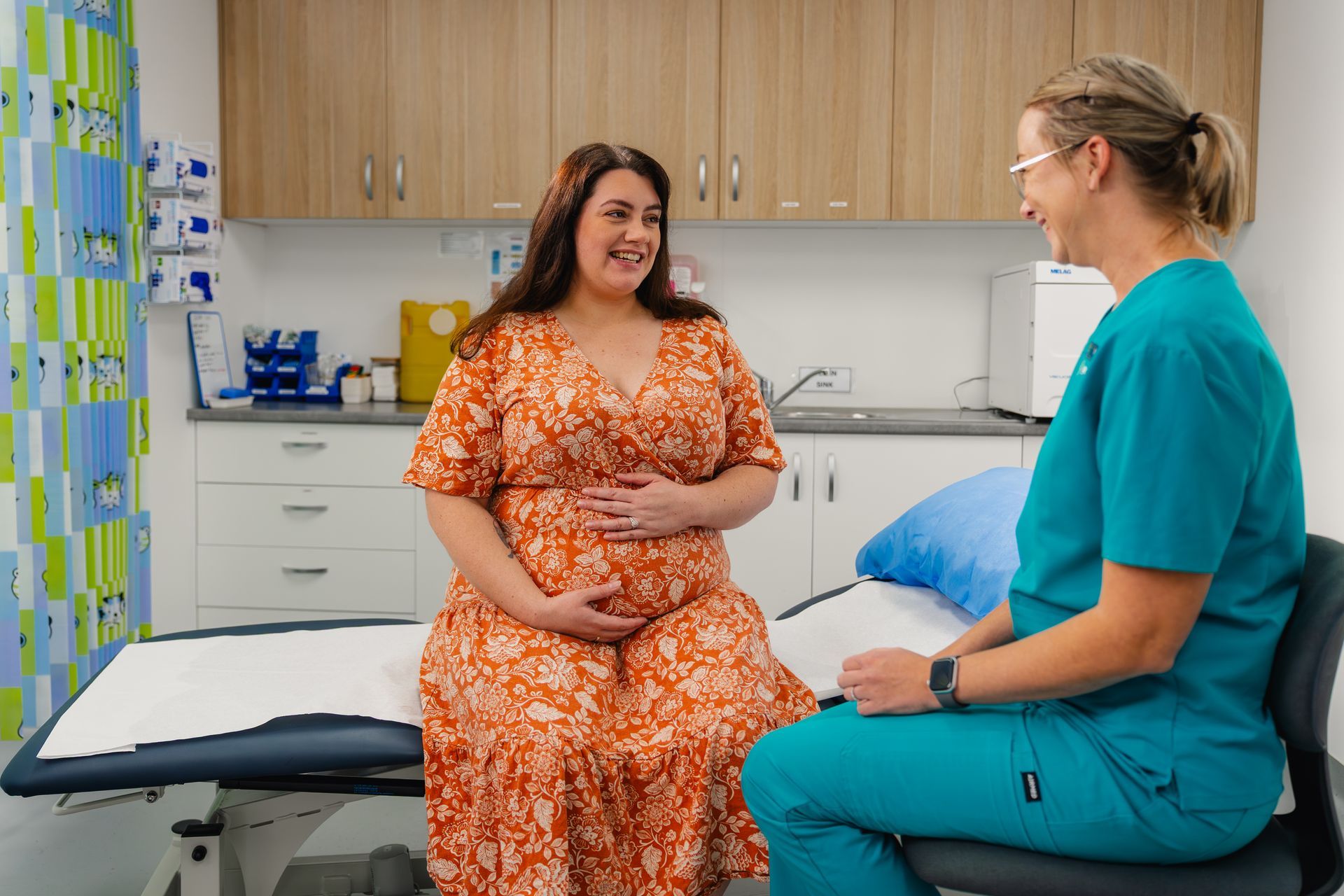
Nurses at Growlife Medical form an integral part of our approach to providing you the highest quality medical care. They support your GP by coordinating Diabetes Clinics, Pregnancy Care, Child Health Clinics, Health assessments, vaccinations and more.

Book Online

As part of our commitment to increasing the connection between you and your doctor - at a time that suits you - Growlife Medical enables online bookings via a web based platform or via an App on your phone.


Book a doctor in Fairfield, Highgate Hill, Oxley, Sherwood or Sinnamon Park.

Our Blog

March 18, 2026
Endometriosis affects millions of people worldwide and continues to be widely misunderstood, often leaving many people confused about their symptoms and uncertainties about how to manage it. One common struggle is wondering if the food you eat is helping or worsening the symptoms. This is completely understandable, especially considering the lack of conversations and the amount of conflicting information online! Welcome to part 2 of our 2-part blog series on endometriosis. Part 1 of this blog series explored what endometriosis actually is and talked through how to overcome some common barriers to seeking help. In this blog, we will focus on what we can do from a nutrition perspective to support symptom management. What is Endometriosis? If you haven’t read part 1 of this blog series, now would be a good time to do so, as the answer to this question is explored in much greater detail. Common symptoms are also outlined in part 1. In short, endometriosis is a chronic inflammatory condition in which tissue similar to the lining of the uterus grows outside of other areas of the body. It is also what we call an “estrogen-dependent disease” as it is associated with higher circulating estrogen. This, in turn, can promote growth of this endometrial-like tissue, which may contribute to inflammation, debilitating pain and discomfort, and in some instances may also impact fertility. Diet & Endometriosis. With that in mind, let’s dive into how food can support endometriosis management. We will break this part into 3 sections – inflammation, gut microbiome, and estrogen regulation. Inflammation. While there is no one-size-fits-all approach to nutrition for endometriosis, research consistently demonstrates that an anti-inflammatory dietary pattern is beneficial for symptom management. Remember, endometriosis is an inflammatory condition. All of the tips we discuss below related to inflammation are really nicely summarised by what’s known as “the Mediterranean diet”. For more information on this eating pattern, click here. Increase intake of healthy fats: olive oil, nuts and seeds and oily fish. “Unsaturated fats” are commonly referred to as the “healthy fats”. Foods that are higher in these “unsaturated fats” are generally shown to have promising anti-inflammatory effects. In particular, omega-3 fats (a specific type of “unsaturated fat”) play a key role in reducing inflammation. What foods contain these “omega-3 fats” you may ask... Oily fish (eg, mackerel and salmon), nuts (eg, walnuts and pecans) and seeds (eg, flaxseeds and chia seeds) are all great choices! As a rule of thumb, aim to have oily fish at least 2x per week. Besides what we eat, how we cook also plays a significant role in endometriosis management. Small changes in our cooking style can have a big impact if done consistently! Olive oil has been shown to have anti-inflammatory and antioxidant effects. Try using it in salad dressings, for roasting, grilling, or for general cooking! Prioritise whole foods: variety of colourful fruits, vegetables, legumes and wholegrains. “Oxidative stress” is a common term referenced in relation to endometriosis. This is generally characterised by high levels of pro-inflammatory markers circulating throughout our bodies and low levels of anti-inflammatory factors (e.g., antioxidants). This imbalance can contribute greatly to inflammation and the progression of endometriosis. Whole fruits and vegetables, specifically dark leafy greens (eg, kale, spinach, broccoli, and collard greens), are packed with fibre and antioxidants, which help reduce this “oxidative stress”. They also contain some crucial vitamins and minerals, such as magnesium (which may reduce muscle cramps and ease period cramps) and iron (which replenishes blood loss during menstruation), making fruit and veg particularly important for endometriosis management. Compared to refined grains like white rice and white bread, whole grains (eg oats, brown rice, rye, quinoa, buckwheat, and whole wheat bread/pasta/wraps) contain a higher level of antioxidants, fibre, and phytonutrients. You guessed it – this may help support lower inflammation and assist with symptom management. Reduce saturated and trans-fat intake: excess red meat and processed foods. Many processed foods (eg, fast food, fried food, and packaged foods) contain ingredients that can worsen inflammation, such as saturated fat, trans fat, and added sugar. These types of foods also generally have lower levels of healthy fats, fibre, vitamins, and minerals. Freshly home-cooked meals are always the way to go! This is easier said than done, of course – organisation is key to operationalising this one. Excessive intake of dietary sugar (eg, soft drinks, energy drinks, and confectionery items) can increase the number of pro-inflammatory markers in our body. If you’re after that refreshing carbonation, you could try soda water, or if you’re after a fun taste, you could try adding fruit to your water (eg, lemon or lime). Some research suggests higher intake of red meat (eg. Beef, lamb, pork) may be associated with increased risk or symptom severity in endometriosis, as it is generally higher in saturated fat. A good starting point could be for you to try having no more than 2 serves of red meat per week, as this is what lots of the evidence in this space suggests. Of course, this should be considered on a case-by-case basis, so be sure to chat to your health professional to see if this suggestion is appropriate for you. The important thing to remember here is the word “reduce”, not “eliminate”! Being overly restrictive with our eating patterns often means the changes made will be less sustainable in the long-term (and also can make food in general much less interesting and enjoyable – which is never the outcome we want!). What these changes actually look like will change from person to person, so we need to put our detective hats on and figure out what works for you! Reduce alcohol consumption: wine, spirits, mixers. Excessive alcohol consumption is shown to interfere with estrogen production. This may increase the risk of endometriosis or may exacerbate your symptoms. Again, to what extent your alcohol consumption should be reduced is totally individualised. We recommend working with your dietitian to see what changes are most effective for you. Gut health Research suggests that a high proportion of people (85%) with endometriosis experience digestive issues. Interestingly, our gut microbiome can influence the status of our endometriosis, while the inflammation from endometriosis can also affect the gut microbiome. (Source: pmc.ncbi.nlm.nih.gov/) We have trillions of gut bacteria living in our large intestine (yes, living – they are alive!), which help our body out in a range of different ways. That being said, some are more helpful than others. “Estrobolome” is a specific group of gut bacteria capable of regulating estrogen levels by metabolising and modulating the body's circulating estrogen. Chronic inflammation can disrupt the gut, which may lead to decreased diversity of our gut bacteria, it may make the function of the “estroblome” less effective, and may increase levels of some of those less helpful (or even harmful) bacteria, which can further exacerbate inflammation and pain. Great news is that by implementing all of those tips we discussed in the “inflammation” section of this blog, you will be in good standing to hopefully make sure this isn’t the case for you! Prebiotics So, at this point, we know a happy gut can help keep our endometriosis symptoms at bay and prevent disease progression. One of the best ways we can keep our gut happy is through diet diversity. Having a wide range of plant-based foods is helpful as it literally feeds our gut bacteria, making for more resilient and varied beneficial gut bacteria. The foods that our gut bacteria feed off are called “prebiotics” - and these are generally fibre-containing foods. When we have a diverse gut microbiome, our “estroblome” can be supported, which can help with estrogen regulation and, therefore, symptom management and disease progression. A great number to aim for would be to have 30 different types of plant foods per week. Probiotics While prebiotics feed our gut bacteria, “probiotics” actually are bacteria. These don’t just come in supplement form - foods that contain probiotics can include yoghurts, sauerkraut, kimchi, and even kombucha! These foods contain beneficial bacteria that will make their way to our gut and reside there, further improving the quantity and diversity of our gut bacteria. Having a good mix of prebiotics and probiotics is important for endometriosis management. Estrogen regulation The good news is that a lot of the tips we have already discussed can support estrogen regulation. For example, reducing saturated fat intake (discussed under the “inflammation” section) can help lower circulating estrogen and inflammation. We also discussed the importance of fibre-containing foods in the “gut microbiome” section, explaining how it can help nourish our “estroblome”. Fibre can also bind to estrogen in our intestines and facilitate its excretion from our body, highlighting its role in regulating our estrogen levels. One particular group of fibre-containing foods – the brassica vegetables – contain a chemical which is shown to further support estrogen regulation. What on earth are brassica vegetables? We are talking about broccoli, cauliflower, cabbage, brussels sprouts (everyone’s favourite), bok choy, and so on. One final little hack to help regulate your estrogen levels is to have regular bowel movements, as this can also help remove excess estrogen. Having some sort of structure or routine around toilet time can go a long way in endometriosis management! Summary Although Endometriosis currently has no cure, the right foods can help alleviate some of the symptoms you experience. We hope this blog has equipped you with the knowledge needed to manage this condition! More information Below are some helpful websites to learn more about managing Endometriosis. Endometriosis Australia: An Australian charity providing resources for understanding Endometriosis and exploring various related blogs https://endometriosisaustralia.org The Endometriosis Foundation of Australia: Providing resources and education around Endometriosis https://www.endofound.org Women’s Health Victoria: Offers a variety of resources related to women's health, including Endometriosis https://www.whv.org.au Disclaimer: This information is NOT medical advice and is for informational purposes only. It is not intended to be a substitute for professional medical advice and should not be relied on as health or personal advice. If you’re seeking more personalised dietary advice tailored to your endometriosis management, Growlife dietitians are here to guide you.
March 5, 2026
Dr Lok Tung Lee – GP at Growlife Highgate Hill "Have you ever wondered if your pelvic pain – especially during or around your period – is “just normal,” or something more? You’re not alone. Many people wait years before bringing it up with a GP because they may worry about their symptoms being dismissed, remember previous bad experiences with seeking help, feel their symptoms aren’t serious enough, or simply don’t know where to begin. At Growlife Medical, we want our patients to know that Pelvic pain can affect daily life, and support is available.” Welcome to part 1 of our 2-part blog series on endometriosis. This blog will delve into what endometriosis is, as well as talk through some common barriers to seeking help and how to overcome them. Part 2 will focus more on what we can do from a nutrition perspective to help with symptom management. What is Endometriosis, really? Endometriosis is a chronic condition where tissue similar to the lining of the womb grows in places it shouldn’t, such as around the ovaries, fallopian tubes, bladder or bowel. That tissue responds to the hormonal changes that fluctuate during your period and as the lining is shed, this same tissue also bleeds. This bleeding can cause inflammation, pain and scarring that can sometimes also cause issues with fertility. One of the very tricky things is that in someone affected, the spectrum of symptoms and pain can vary wildly and doesn’t necessarily correlate to the amount of “disease” present. Despite the fact that we know it is extremely common – affecting up to 14% of Australian women under the age of 50 – diagnosis remains challenging and frustrating. (Source: Australian Institute of Health & Welfare) Recognising Symptoms that Warrant Attention You deserve support if you’re experiencing any of the following: · Period pain that interferes with work, school, exercise or daily life · Pelvic pain outside your period · Pain during intercourse · Heavy or irregular bleeding · Persistent fatigue even despite rest · Difficulty conceiving or unexplained infertility · Lower back pain · Pain during or after bowel movements Common barriers to seeking care Normalising Pain It’s extremely common for people (and even their family or friends) to shrug off painful periods as just “part of life” or “something to deal with”. We know many patients who may have learnt to downplay menstrual symptoms or consider the topic taboo altogether. When the pain disrupts your daily life – you’re skipping days of school, overlooked for promotions at work due to increasing sick leave, dreading being intimate because of pain – these are all signals to pay attention and talk to us. Feeling unheard or misunderstood I have many patients who bring up that in the past they have been brushed aside by previous doctors. These experiences can understandably make it daunting to ask for help again. Symptoms don’t line up neatly Endometriosis isn’t a one-size-fits-all condition. Pain might be cyclical, or not! Bloating, fatigue, bowel or bladder symptoms might overlap with many other medical conditions. A GP who has followed your health over time can often spot patterns others might miss. Life gets busy Between work, uni, parenting and everything else, booking a GP can fall to the bottom of the list. We acknowledge it can be really hard to often find a time to be seen easily and promptly. Working with a GP you trust can support continuity of care and help you navigate next steps. One of the biggest advantages in managing endometriosis is having a GP who you’ve built a relationship with - someone who knows your health history, understands your baseline, and listens without judgement. A GP who sees you regularly can: recognise changes in your symptoms early track patterns over time guide you through evidence-based options coordinate referrals and follow-up advocate on your behalf within the healthcare system ensure you don’t slip through the cracks between appointments Just as importantly, a GP who stays up to date with current guidelines can help you navigate the evolving landscape of endometriosis care - from hormonal treatments to surgical options to allied health support. Practical Tips to Make Seeking Help Easier · Keep a symptom diary for 1-2 cycles · Bring notes or a support person to the appointment · Mention any impact on daily life, not just in relation to periods · It’s ok to ask for a second opinion or ongoing review! · Remember that follow-up is normal; you don’t need all the answers after one visit. Diagnosis & Treatment: What to Expect Your GP may discuss your symptoms, arrange an ultrasound, or refer you to a gynaecologist if needed. Diagnosis of endometriosis remains difficult, as much of the disease is not identifiable through non-invasive imaging like ultrasound. A normal ultrasound does not exclude endometriosis , although some forms like ovarian endometriosis (endometriomas), deep infiltrating endometriosis and resulting scar tissue can sometimes be identified on scans. If endometriosis is suspected, a definitive diagnosis is often made via laparoscopy– a keyhole / minimally invasive surgery where a small camera is passed into a cut made into the belly button - to look for endometriosis. It can often be removed at the same time for testing and assessment of the tissue. Management options can include: pain relief hormonal treatments* pelvic physiotherapy nutrition, lifestyle and self-care strategies surgery when appropriate Together, you and your GP can decide what feels right for you. * While the idea of side effects can be daunting for people and the “pill” often feels too readily pushed by medical specialists, this remains a very important and effective part of management as the tissue growth and inflammation is hormonally triggered. Helpful Australian Resources QENDO App: Track symptoms and generate reports to share with your GP; includes support for partners. QENDO Support: Peer support, mentoring, and education. Endometriosis Australia: Evidence-based information and advocacy. How Your Partner Can Support You Partners can provide valuable support by: learning about the condition (QENDO is a great starting point) attending appointments for support helping with symptom tracking validating the person’s experience offering practical help on flare-up days You Don’t Need to Do This Alone If you think you might have endometriosis or you’re not sure where to start - we’re here to help! Book an appointment with your GP, bring your questions, and let’s work together to understand what’s going on and find the right support for you. Your health matters. Disclaimer This article is for general information only and is not intended to replace individual medical or dietary advice. Please speak with your GP or an Accredited Practising Dietitian (APD) for guidance specific to your situation.
Signs You Need To Review Your Asthma Treatment | Growlife Medical
February 20, 2026
Growlife Medical explains the signs you need to review your Asthma treatment, Asthma control tests, and booking an Asthma review with a Growlife Medical GP.

Growlife Medical Centres

Highgate Hill Doctors

109 Gladstone Road

Highgate Hill QLD 4101

Phone: 07 3036 4081

highgatehill@growmedical.com.au

Sherwood Doctors

600 Sherwood Road

Sherwood QLD 4075

Phone: 07 3154 2355

sherwood@growmedical.com.au

Oxley Doctors

169 Seventeen Mile Rocks Road

Oxley QLD 4075

Phone: 07 3073 5111

oxley@growmedical.com.au


Fairfield Doctors

Shop 33/180 Fairfield Rd

Fairfield QLD 4103

Phone: 07 3844 1100

fairfield@growmedical.com.au


Sinnamon Park Doctors

5/58 Oldfield Rd

Sinnamon Park QLD 4073

Phone: 07 3523 4274

sinnamonpark@growmedical.com.au


Get in touch today for a new start to your health.

paper_plane

KEEP IN TOUCH

Sign up and stay up-to-date with what's happening.

Contact Us