Dr Lok Tung Lee – GP at Growlife Highgate Hill
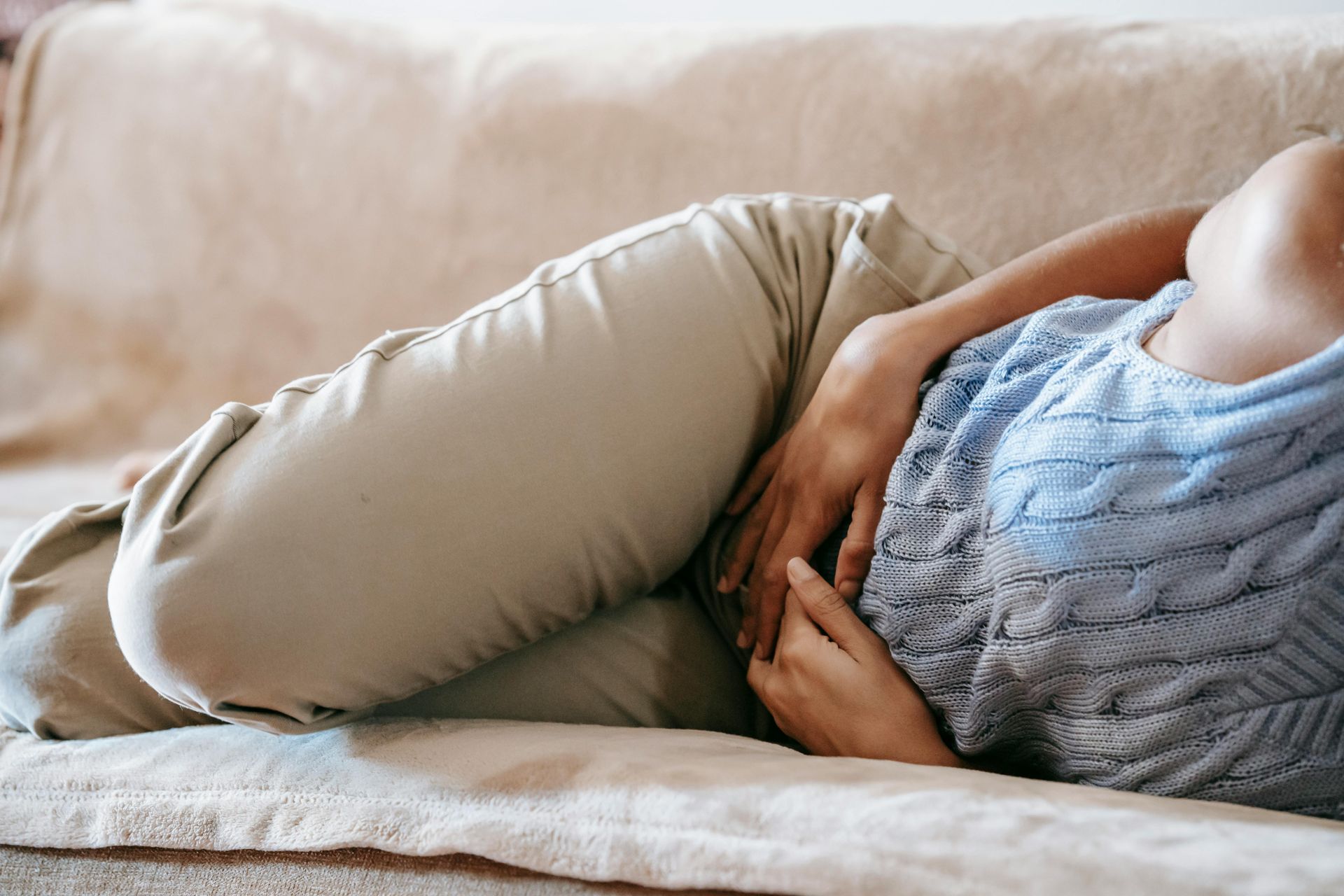
"Have you ever wondered if your pelvic pain – especially during or around your period – is “just normal,” or something more? You’re not alone. Many people wait years before bringing it up with a GP because they may worry about their symptoms being dismissed, remember previous bad experiences with seeking help, feel their symptoms aren’t serious enough, or simply don’t know where to begin. At Growlife Medical, we want our patients to know that Pelvic pain can affect daily life, and support is available.”
Welcome to part 1 of our 2-part blog series on endometriosis. This blog will delve into what endometriosis is, as well as talk through some common barriers to seeking help and how to overcome them. Part 2 will focus more on what we can do from a nutrition perspective to help with symptom management.
What is Endometriosis, really?
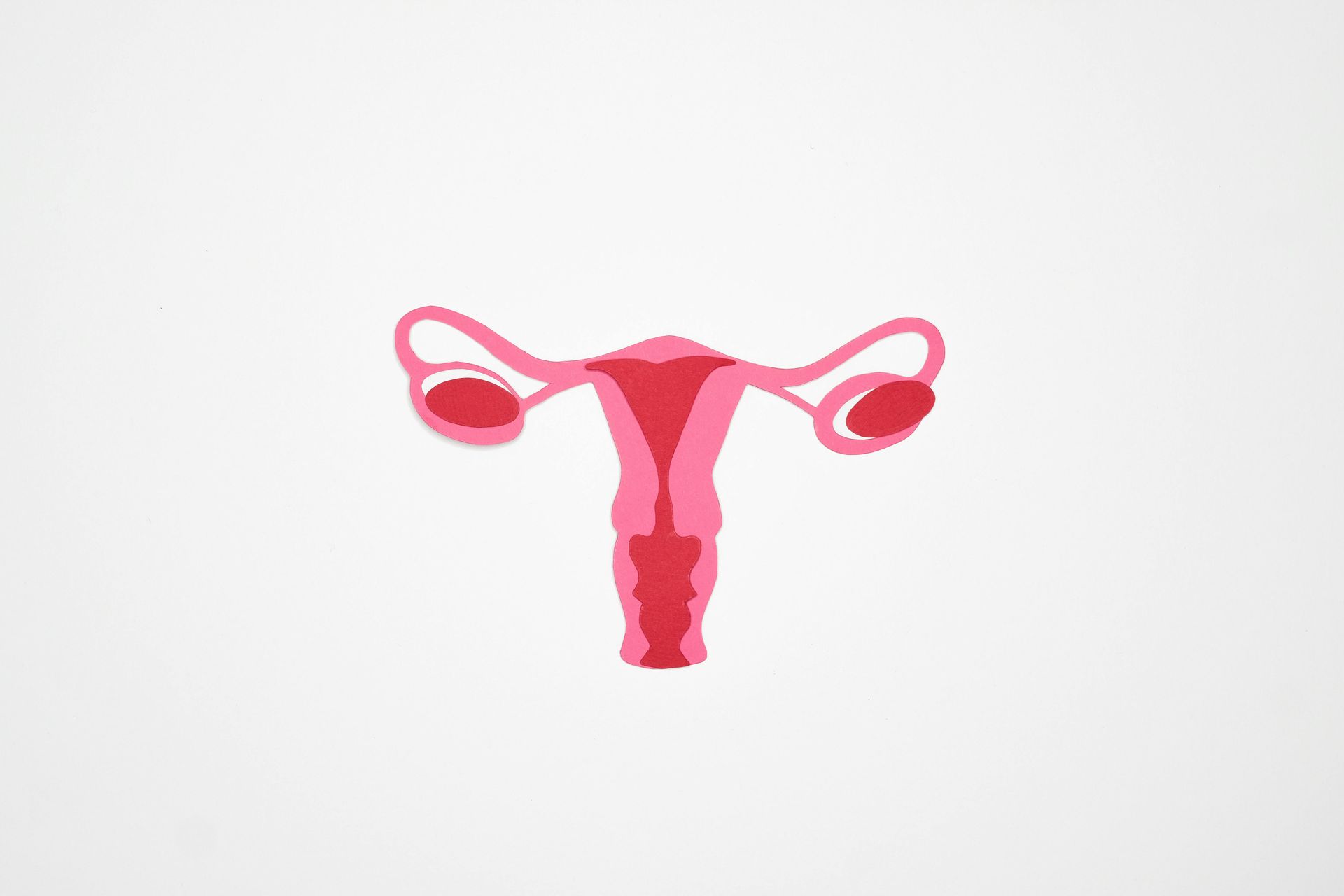
Endometriosis is a chronic condition where tissue similar to the lining of the womb grows in places it shouldn’t, such as around the ovaries, fallopian tubes, bladder or bowel. That tissue responds to the hormonal changes that fluctuate during your period and as the lining is shed, this same tissue also bleeds. This bleeding can cause inflammation, pain and scarring that can sometimes also cause issues with fertility. One of the very tricky things is that in someone affected, the spectrum of symptoms and pain can vary wildly and doesn’t necessarily correlate to the amount of “disease” present.
Despite the fact that we know it is extremely common – affecting up to 14% of Australian women under the age of 50 – diagnosis remains challenging and frustrating. (Source: Australian Institute of Health & Welfare)
Recognising Symptoms that Warrant Attention
You deserve support if you’re experiencing any of the following:
·
Period pain that interferes with work, school, exercise or daily life
·
Pelvic pain outside your period
·
Pain during intercourse
·
Heavy or irregular bleeding
·
Persistent fatigue even despite rest
·
Difficulty conceiving or unexplained infertility
·
Lower back pain
·
Pain during or after bowel movements
Common barriers to seeking care
Normalising Pain
It’s extremely common for people (and even their family or friends) to shrug off painful periods as just “part of life” or “something to deal with”. We know many patients who may have learnt to downplay menstrual symptoms or consider the topic taboo altogether. When the pain disrupts your daily life – you’re skipping days of school, overlooked for promotions at work due to increasing sick leave, dreading being intimate because of pain – these are all signals to pay attention and talk to us.
Feeling unheard or misunderstood
I have many patients who bring up that in the past they have been brushed aside by previous doctors. These experiences can understandably make it daunting to ask for help again.
Symptoms don’t line up neatly
Endometriosis isn’t a one-size-fits-all condition. Pain might be cyclical, or not! Bloating, fatigue, bowel or bladder symptoms might overlap with many other medical conditions. A GP who has followed your health over time can often spot patterns others might miss.
Life gets busy
Between work, uni, parenting and everything else, booking a GP can fall to the bottom of the list. We acknowledge it can be really hard to often find a time to be seen easily and promptly.
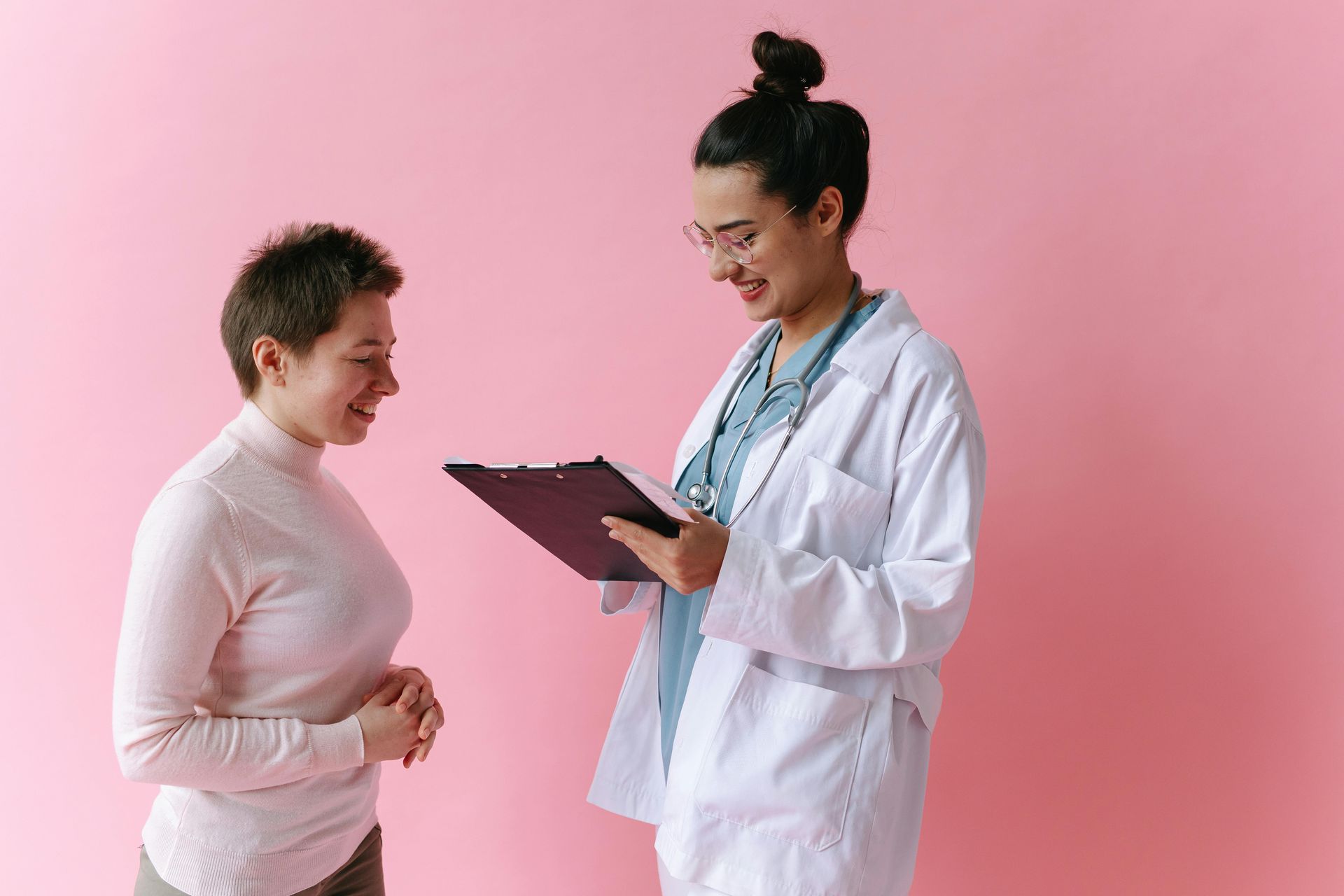
Working with a GP you trust can support continuity of care and help you navigate next steps.
One of the biggest advantages in managing endometriosis is having a GP who you’ve built a relationship with - someone who knows your health history, understands your baseline, and listens without judgement. A GP who sees you regularly can:
- recognise changes in your symptoms early
- track patterns over time
- guide you through evidence-based options
- coordinate referrals and follow-up
- advocate on your behalf within the healthcare system
- ensure you don’t slip through the cracks between appointments
Just as importantly, a GP who stays up to date with current guidelines can help you navigate the evolving landscape of endometriosis care - from hormonal treatments to surgical options to allied health support.
Practical Tips to Make Seeking Help Easier
·
Keep a symptom diary for 1-2 cycles
·
Bring notes or a support person to the appointment
·
Mention any impact on daily life, not just in relation to periods
·
It’s ok to ask for a second opinion or ongoing review!
·
Remember that follow-up is normal; you don’t need all the answers after one visit.
Diagnosis & Treatment: What to Expect
Your GP may discuss your symptoms, arrange an ultrasound, or refer you to a gynaecologist if needed.
Diagnosis of endometriosis remains difficult, as much of the disease is not identifiable through non-invasive imaging like ultrasound. A normal ultrasound does not exclude endometriosis, although some forms like ovarian endometriosis (endometriomas), deep infiltrating endometriosis and resulting scar tissue can sometimes be identified on scans.
If endometriosis is suspected, a definitive diagnosis is often made via laparoscopy– a keyhole / minimally invasive surgery where a small camera is passed into a cut made into the belly button - to look for endometriosis. It can often be removed at the same time for testing and assessment of the tissue.
Management options can include:
- pain relief
- hormonal treatments*
- pelvic physiotherapy
- nutrition, lifestyle and self-care strategies
- surgery when appropriate
Together, you and your GP can decide what feels right for you.
* While the idea of side effects can be daunting for people and the “pill” often feels too readily pushed by medical specialists, this remains a very important and effective part of management as the tissue growth and inflammation is hormonally triggered.
Helpful Australian Resources
- QENDO App: Track symptoms and generate reports to share with your GP; includes support for partners.
- QENDO Support: Peer support, mentoring, and education.
- Endometriosis Australia: Evidence-based information and advocacy.
How Your Partner Can Support You
Partners can provide valuable support by:
- learning about the condition (QENDO is a great starting point)
- attending appointments for support
- helping with symptom tracking
- validating the person’s experience
- offering practical help on flare-up days
You Don’t Need to Do This Alone
If you think you might have endometriosis or you’re not sure where to start - we’re here to help! Book an appointment with your GP, bring your questions, and let’s work together to understand what’s going on and find the right support for you.
Your health matters.
Disclaimer
This article is for general information only and is not intended to replace individual medical or dietary advice. Please speak with your GP or an Accredited Practising Dietitian (APD) for guidance specific to your situation.