Planning an overseas holiday is exciting, but preparing for your health before you travel is just as important as booking your flights and accommodation. Different destinations carry different health risks, and a little preparation can help you avoid illness and enjoy your trip with confidence.
Whether you're travelling for a relaxing beach holiday, an adventurous trek, or a business trip, here's what you should know before you leave.
Book a Travel Health Appointment Early
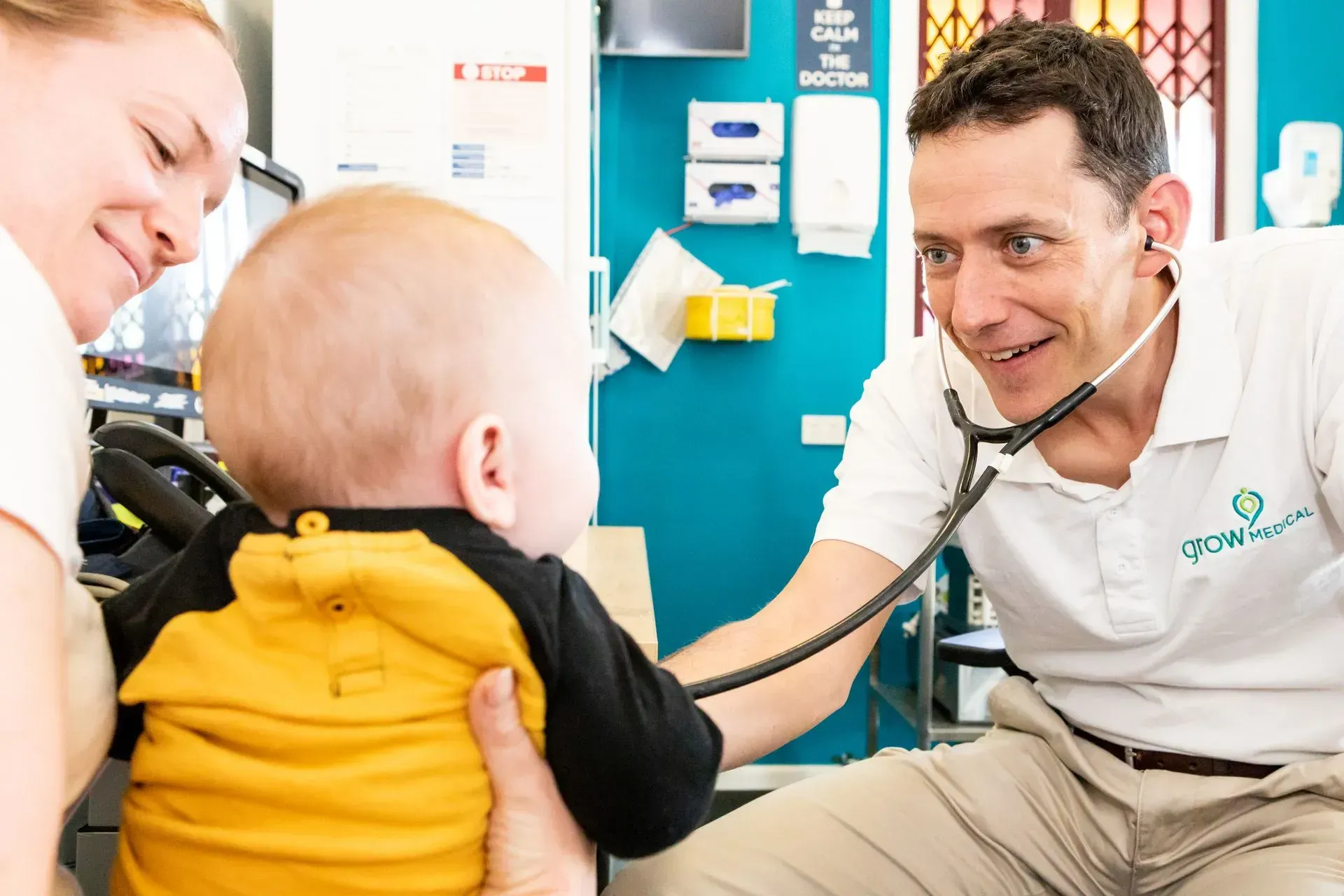
One of the most important steps before travelling overseas is booking a travel health consultation with your GP.
Travel advice is tailored to your destination, planned activities, length of stay, and your individual medical history. Ideally, you should book your appointment at least 6–8 weeks before departure, as some vaccinations require multiple doses or need time to become fully effective.
Even if you're travelling sooner, it's still worthwhile seeking advice, as many vaccines and preventative medications can still provide valuable protection.
Travel Vaccinations: Protect Yourself Before You Go
Many countries have diseases that are uncommon in Australia but remain a significant health risk overseas. Travel vaccinations can protect you against serious illnesses and may even be required for entry into certain countries.
Depending on your destination, your GP may recommend vaccines for conditions such as:
- Hepatitis A and B
- Typhoid
- Japanese encephalitis
- Rabies
- Cholera
- Meningococcal disease
- Yellow fever
Because some vaccines take at least two weeks to become effective, and others require multiple doses, it's important not to leave your vaccinations until the last minute.
Yellow Fever Vaccination
The Yellow Fever vaccine is a specialised travel vaccine that protects against yellow fever, a potentially serious mosquito-borne viral illness found in parts of Africa and South America.
Some countries require proof of Yellow Fever vaccination for entry, and travellers returning to Australia after visiting or transiting through certain countries may also need an internationally recognised vaccination certificate.
At Growlife Medical, our authorised Yellow Fever vaccination provider can assess your travel plans and administer this specialised vaccine if required.
Malaria Prevention
If you're travelling to areas where malaria is present, your GP may prescribe preventative anti-malarial medication.
Medication is only one part of protecting yourself. You should also reduce mosquito bites by:
- Wearing long-sleeved clothing and long pants, particularly at dawn and dusk.
- Using a mosquito repellent containing DEET or picaridin.
- Sleeping in air-conditioned or screened accommodation where possible.
- Using an insecticide-treated mosquito net when appropriate.
These measures also help reduce your risk of other mosquito-borne illnesses such as dengue fever, Zika virus and chikungunya.
Food and Water Safety While Travelling
Traveller's diarrhoea is one of the most common illnesses affecting international travellers. Following simple food and water precautions can significantly reduce your risk.
Try to:
- Eat freshly prepared, thoroughly cooked food.
- Avoid raw salads and undercooked eggs.
- Choose fruit that you can peel yourself.
- Drink bottled or properly boiled water.
- Use safe water for brushing your teeth.
- Avoid ice unless you're certain it's made from purified water.
Be Prepared for Traveller's Diarrhoea
Despite taking precautions, stomach upsets can still occur.
Packing oral rehydration salts can help replace fluids and electrolytes if you develop diarrhoea or vomiting.
Depending on your destination and personal circumstances, your GP may also prescribe medications to help manage traveller's gastroenteritis, including antibiotics or medication to relieve nausea and vomiting.
Avoid Animal Bites
In some countries mammals such as dogs, cat and monkeys can carry rabies, a life-threatening viral disease. Avoid touching or feeding unfamiliar animals, even if they appear friendly.
If you are bitten or scratched:
1. Wash the wound thoroughly with soap and running water for at least 15 minutes.
2. Apply an antiseptic if available.
3. Seek urgent medical attention immediately, even if you have previously been vaccinated.
Travelling to High Altitudes?
If your itinerary includes mountainous regions or high-altitude destinations, you may be at risk of altitude sickness.
Symptoms can range from headaches and nausea to more serious complications affecting the lungs or brain.
Your GP can advise whether preventative medication is appropriate and provide guidance on safe acclimatisation.
Don't Forget Travel Insurance
Purchase your travel insurance as soon as you book your trip.
Buying insurance early can provide coverage for unexpected events before you depart, including illness, cancellations and other unforeseen circumstances.
Make sure your policy covers any pre-existing medical conditions, adventure activities and your planned destinations.
Travelling With Regular Medications
If you take prescription medications:
- Pack enough medication to last your entire trip, plus extra in case of delays.
- Keep medications in their original packaging.
- Carry copies of your prescriptions or a letter from your GP.
- Pack essential medications, including inhalers, in your hand luggage.
It's also worth checking whether any medications are restricted in the countries you're visiting.
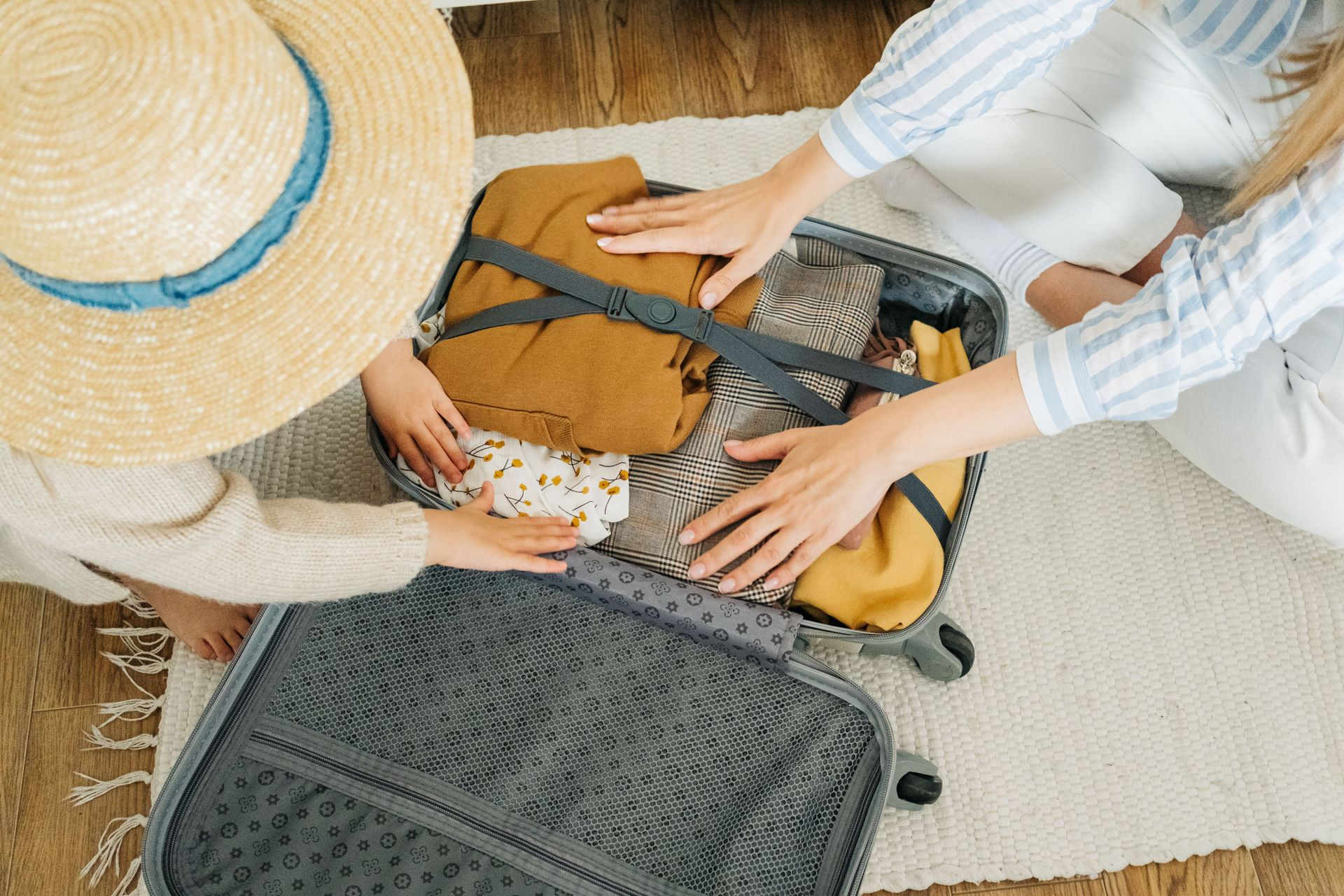
Your Essential Travel Health Kit
A well-stocked travel health kit can make managing minor illnesses much easier while you're away.
Consider packing:
- Oral rehydration solution
- Any travel medications recommended by your GP
- Regular prescription medications
- Prescriptions or a GP letter
- Passport and copies of important documents
- Travel insurance documents
- DEET or picaridin insect repellent
- Sunscreen
- Hand sanitiser
- Paracetamol and/or ibuprofen
- Thermometer
- Adhesive bandages (plasters)
- Antiseptic cream or wipes
Travel With Confidence
Every traveller and every destination is different.
A pre-travel consultation with your GP ensures you receive personalised advice based on where you're going, what you'll be doing, your medical history and any existing health conditions.
The earlier you book your appointment, the more options you'll have for vaccinations and preventative treatments.
At Growlife Medical, we're here to help you travel safely and confidently, so you can focus on making memories, not managing illness.
Planning an overseas trip?
Book a travel health consultation with one of our experienced GPs to receive personalised advice, travel vaccinations, and the medications you may need before you fly.